The Essential Guide to HVAC Filter Replacement: Frequency and Benefits
Did you know that regularly replacing your HVAC filter is one of the easiest ways to improve your home’s comfort, energy efficiency, and indoor air quality? A clean filter not only helps you breathe easier but also protects your heating and cooling system from costly breakdowns.
Whether for your home or business, here’s everything you need to know about HVAC filters, replacement schedules, and how to choose the right one.
Why Replacing Your HVAC Filter Matters
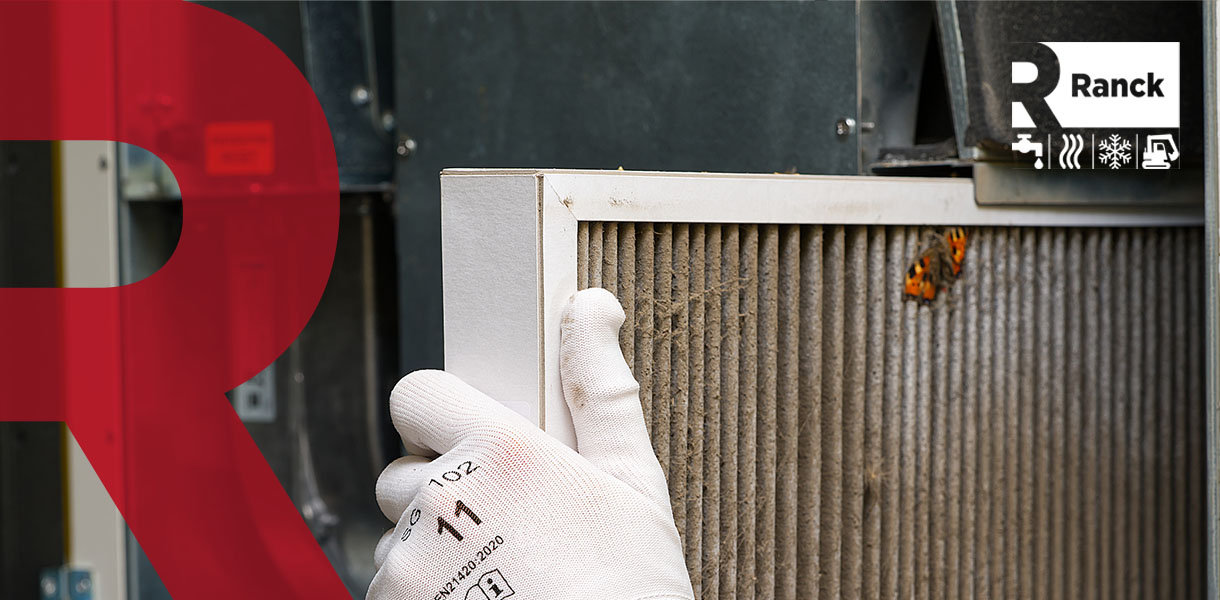
A dirty air filter can affect your home’s air quality. If you’ve noticed more dust than usual, increased HVAC cycles, or can’t remember when you last changed your HVAC’s air filter, it may be time for a filter replacement.
The benefits of a clean air filter include:
- Better energy efficiency: A clean filter allows air to move freely, reducing strain on your system and lowering energy bills.
- Improved indoor air quality: Dirty filters recirculate pollutants like pollen, pet dander, and dust. They can even become a breeding ground for mold and bacteria.
- Longer System lifespan: A clogged filter forces your HVAC to work harder, which can lead to overheating, frequent short cycling, and unnecessary wear on the motor.
Beyond comfort, these advantages also translate into long-term savings and peace of mind.
Not all filters are created equally. Here’s how different types and ratings stack up.
Understanding MERV Ratings
Minimum Efficiency Reporting Value (MERV) measures how effectively a filter captures particles. Ratings range from 1 to 16 — the higher the number, the finer the particles it captures. For example, a MERV 5 filter blocks dust and lint, while a MERV 13 filter can catch allergens like pollen and mold spores:
- Lower ratings (1-5): Capture larger particles like lint and dust.
- Mid-range ratings (6-12): Trap smaller particles, including pollen and mold spores.
- High ratings (13-16): Provide superior filtration for people with allergies or respiratory issues.
Determining the MERV rating you need depends on your indoor environment and air quality requirements.
Common Filter Types
There are multiple types of HVAC filters, and each one works in a slightly different way. The filter material and design will impact how well your system removes allergens, dust, and other particles from the air. Some of the most common filters include:
HEPA Filters
A High-Efficiency Particulate Air (HEPA) filter traps the smallest airborne particles, such as dust, dander, and bacteria. This type of filter is ideal for people with allergies or asthma and for the health care industry.
Pleated Filters
The pleated surface of these filters help trap more dust and allergens than non-pleated filters, making them a good choice if you want effective filtration but don’t want a HEPA filter. They’re available in different MERV ratings and thicknesses, from thicker pleated filters offering basic filtering to thinner varieties delivering more advanced performance:
- Disposable pleated filters: Provide quick filter replacement, are widely available, cost-efficient, and have a shorter lifespan. However, disposable pleated filters provide lower filtration performance than other varieties.
- Reusable pleated filters: These can be washed and placed back into your HVAC, come at a higher cost, and provide higher filtration performance than disposable filters — providing sustainability and cost savings.
Electrostatic Filters
The paper and cotton fibers of these filters create static electricity, trapping pollutants and preventing them from circulating through the air. They come in reusable and disposable variants and are a good option for those with allergies, but they can’t remove larger particles like lint. They usually have a MERV rating between 5 and 12.
Fiberglass Filters
These filters are made of glass fibers that trap some air pollutants. They’re budget-friendly and widely available, and are not recommended for those with allergies. Most fiberglass filters have a MERV rating of about 5.
Choosing the Right Filter for Your Needs
With the many filters available, it’s important to get a filter that’s right for your home or business needs. Consider the following when choosing a filter:
- Pets: Homes with pets benefit from a filter with a higher MERV rating, such as a pleated filter.
- Allergies: If you or someone in your household has allergies or other health concerns, explore HEPA filters.
- Usage: How often you use your HVAC can also play a role. If you keep the system running for long periods of time, it may be best to get a filter that can handle the demand.
- Maintenance: Consider upfront costs, replacement frequency, and ease of upkeep when choosing what’s right for you and your home.

For businesses, industry standards may require higher MERV ratings — especially in health care, hospitality, and food service. A licensed HVAC expert can help you select the right fit.
How Often Should You Replace Your HVAC Filter?
Once you have an HVAC filter suited to your home or business, annual HVAC maintenance is vital. How often you should change your HVAC air filter will depend on the type, usage, and environment. HEPA filters or high-quality pleated filters may last for six months. Other filter types may need replacing every one to three months.
You should also regularly inspect the filters for signs of dust and reduced airflow. If you notice the area around your filter is turning gray or yellow, or your HVAC is turning on and off, don’t hesitate to get the filter replaced. If you have a home maintenance checklist, add an HVAC filtration checkup to it.
Though a visual inspection can help determine if the filter needs replacing, some other aspects affect how often you should change the filter:
- Seasonal changes: During the summer and winter, heating and cooling work harder, which means your HVAC system is removing more pollutants from the air.
- Filter type: More robust filters like HEPA and pleated filters may need less replacement than other types.
- Household or business size: The more people you have in your household or business, the more often the filter will need replacement.
- Outdoor air quality: An area with pollution or wildfire smoke may require frequent changes.
- Construction activities: Construction creates dust and debris. Check the air filters and call a professional to have them cleaned or changed.
Enjoy Cleaner Indoor Air With Ranck
At Ranck, we know you want the best for your home or business. Regular filter replacement is a simple step that makes a big difference in your comfort, air quality, and HVAC performance. If you’re unsure which HVAC filter is right for you and need replacement services, we can help.
Our qualified HVAC technicians have decades of experience in replacing dirty filters across various types of heaters and cooling systems, providing accurate, reliable service. Call us at 717-397-2577, or schedule a service online today.